Managing Partner

When a crash leaves you hurt, a West Covina car accident lawyer at Glotzer & Leib LLP can handle the insurers, track every deadline, and pursue the compensation available under the law. We serve West Covina and the surrounding valley from our offices in Los Angeles, Burbank, and Anaheim, and we can meet by phone or video so you do not have to travel while you heal.
You can trust us to fight on your behalf against the insurance companies, and we will give you a straight answer about what your case is worth.
Call 747-241-8288 any time, 24/7, for a free consultation.
Most West Covina crashes happen on the same handful of routes that carry the city’s commuter and shopping traffic. Knowing the location helps identify witnesses, cameras, and the agency that handled the report.
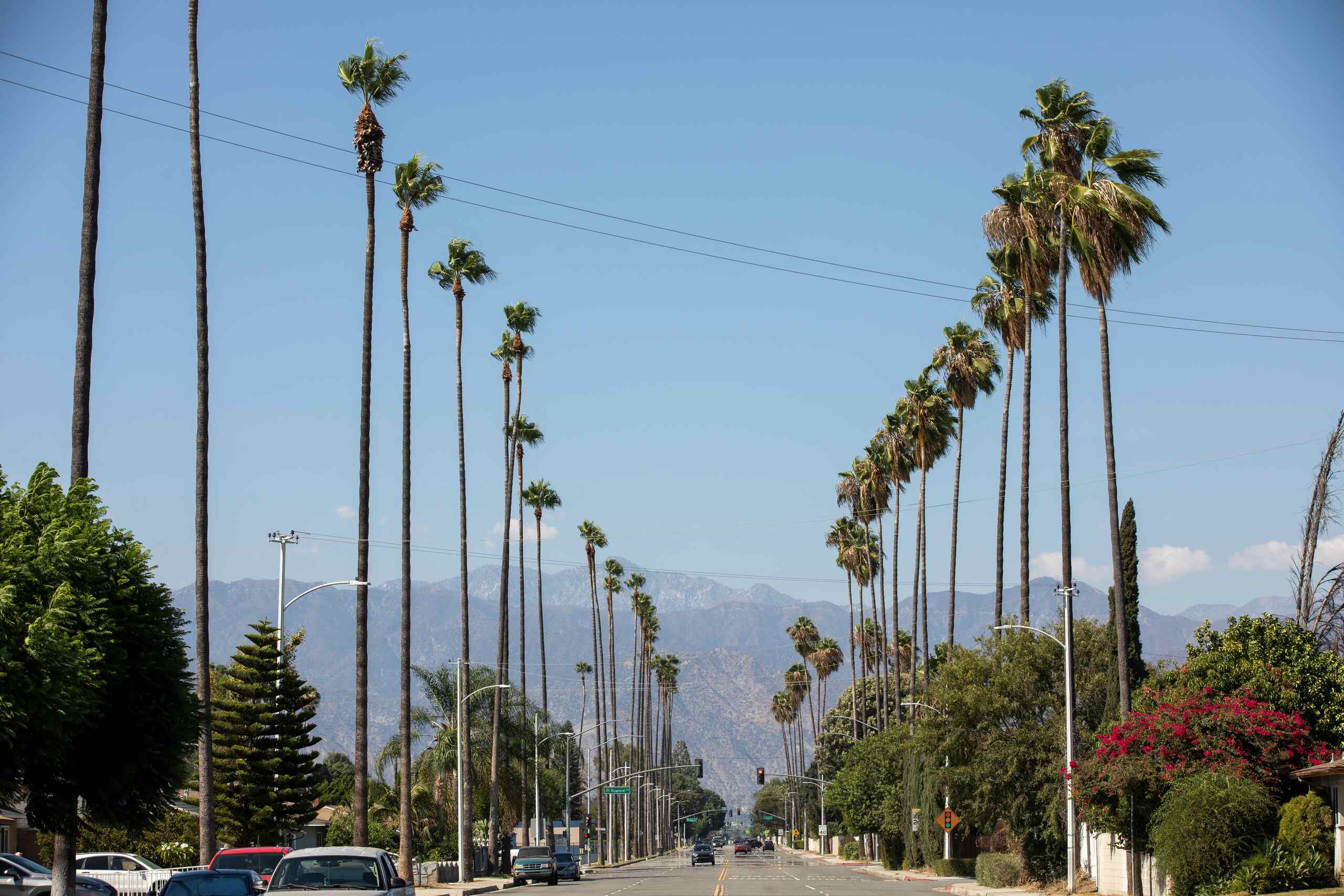
Interstate 10, the San Bernardino Freeway, runs through West Covina, and its interchange with Interstate 605 sits just to the west. Heavy commuter volume, lane changes near interchanges, and sudden slowdowns lead to rear-end and multi-car collisions.
Azusa Avenue and Amar Road are two of the city’s busiest surface streets. Frequent signals, left turns across traffic, and drivers entering from shopping centers create intersection crashes and side-impact collisions.
Plaza West Covina, the regional mall formerly known as Westfield West Covina, sits off the 10 Freeway at Vincent Avenue. Freeway on-ramps, crowded parking lots, and heavy weekend traffic around the mall add risk for drivers and pedestrians alike.
Many West Covina residents drive west into Los Angeles each day, and many crashes happen far from home on the same commute. Wherever the crash happened, the deadlines and fault rules below still apply.
The days right after a crash shape the claim more than most people realize. Insurers start building their file immediately, so it helps to build yours too.
During the first week, try to:
Following through on treatment matters just as much as the first visit. Gaps in care give insurers an easy argument that you were not seriously hurt.
California sets different deadlines for different kinds of car accident claims, and the shortest one can arrive months before the others:
| Type of claim | Who the claim is against | Deadline |
|---|---|---|
| Personal injury lawsuit | The at-fault driver or vehicle owner | Two years from the crash |
| Property damage lawsuit | The at-fault driver or vehicle owner | Three years from the crash |
| Claim involving a public agency | A city, county, or Caltrans, such as for a dangerous road | Six months to present a government claim |
| Uninsured motorist claim | Your own insurance company | Generally two years to sue, demand arbitration, or reach agreement |
The two-year injury deadline comes from California’s civil procedure code, and the six-month rule for public agencies comes from the Government Claims Act. Deadlines can shift in special situations, such as claims by minors, so it is safer to act early than to rely on an exception.
Fault is divided by percentage, and how it is divided often matters as much as the injuries themselves. California’s rules are more forgiving than many states’, with a few important limits.
California follows pure comparative fault. If your damages total $90,000 and you are found 30% at fault, you can still recover $63,000, which is the share the other driver caused.
Under Proposition 213, a driver who was uninsured at the time of the crash generally cannot recover non-economic damages such as pain and suffering. Medical bills, lost wages, and other economic losses remain recoverable.
Chain-reaction crashes on the 10 often involve several at-fault drivers. Under California’s Proposition 51, each defendant can be held fully responsible for your economic damages, but only for its own share of non-economic damages, which makes identifying every responsible driver important. Police reports, dashcam video, and witness accounts help sort out who hit whom and in what order.
Freeway speeds and busy intersections produce a wide range of injuries. Some are obvious at the scene, while others take days to surface.
Rear-end collisions on the 10 often cause whiplash, strained muscles, and herniated discs. These injuries can be hard to see on an X-ray, so consistent treatment records carry extra weight.
Side-impact crashes at intersections such as Azusa Avenue and Amar Road can break arms, ribs, hips, and legs. Recovery may involve surgery, physical therapy, and time away from work.
A concussion can happen without a direct blow to the head. Headaches, memory problems, and mood changes that appear after a crash need prompt medical attention.
Adjusters review every claim with an eye toward reasons to pay less. Knowing what they look for helps you avoid giving them easy openings.
A late first visit or a long break between appointments suggests to the insurer that the injury was minor. Steady treatment, documented in your records, answers that argument.
Casual comments in a recorded call or a social media post can be taken out of context. It is safest to keep details of the crash and your recovery offline while the claim is open.
The value of a case comes from the losses it has to cover, measured against the evidence of fault and the insurance available. A claim can include:
Before discussing any offer, we compare it to the full record of your losses, including care you may still need. California does not cap pain and suffering damages in an ordinary car accident case. Results depend on the specific facts of each case, and no lawyer can promise a particular outcome.
Many drivers carry only the minimum coverage the law allows. The California DMV sets that minimum at $30,000 for one person’s injuries and $60,000 per accident, which a serious injury can exceed quickly.
Underinsured motorist coverage on your own policy can make up some of the difference when the at-fault driver’s limits run out. Uninsured motorist coverage plays the same role when the other driver has no insurance at all.
An at-fault driver who was working at the time may be covered by an employer’s policy. Some households also carry umbrella policies, and reviewing every possible source early keeps money from being left on the table.
If a vehicle defect, such as failed brakes or a faulty airbag, made injuries worse, the manufacturer may share responsibility too. Preserving the vehicle before it is repaired or salvaged keeps that option open.
Lawsuits from West Covina crashes are filed in Los Angeles County Superior Court, which operates a courthouse on West Covina Parkway that handles civil matters. Where a particular case is assigned depends on the court’s filing rules.
Most car accident cases settle without a trial. Even so, building the claim as if it could go before a judge or jury gives the insurer a reason to take it seriously, and it means the case is ready if settlement talks stall.
We do not have an office in West Covina, and we will not pretend otherwise. What we offer San Gabriel Valley clients is a firm with 50+ years of combined experience that has recovered millions for injured people, and a team that comes to you by phone, video, or in person when needed.
When you work with Glotzer & Leib LLP, you get:
We take insurers on directly and keep you updated at each step, from the first demand letter to the final settlement. Call 747-241-8288 to talk about your West Covina crash.
No. California law does not allow an insurer to require you to use a particular repair shop. You can choose your own shop, though the insurer may still inspect the damage and review the estimate.
Generally not. California law bars insurers from raising premiums because of an accident in which the policyholder was not at fault, so keep the police report and any fault finding in your records.
Insurers usually pay the vehicle’s actual cash value, meaning what it was worth just before the crash. You can challenge a low valuation with listings for similar vehicles, maintenance records, and recent upgrades.
Often, yes. The at-fault driver’s insurer may cover a reasonable rental while your car is repaired, and your own policy may include rental coverage if that claim is delayed.
A preexisting condition does not bar a claim. If the crash made an old back or neck problem worse, the at-fault driver can be responsible for that worsening, and medical records from before and after the crash are the key evidence.

Car accident claims reward people who act early and keep good records. Glotzer & Leib LLP is available 24/7, and your first consultation is free.
We can review your police report, your coverage, and your treatment in one call, and we will explain the next step plainly. If the insurer has already made an offer, we can tell you how it compares to the losses your records support.
Call 747-241-8288 to speak with our team.
This page provides general information about California law and is not legal advice.
1515 W Cameron Ave Ste 245-b, West Covina, CA 91790


“Mr. Glotzer represented me after I was involved in a car accident. I was badly injured,but the insurance company refused to offer me a reasonable settlement. I decided to find an attorney and decided to hire Josh.
His law firm did a great job on my case. They were very responsive to all my questions and obtained a great resolution for me. I received way more money than was originally offered. I would recommend their firm to friends and family.”
“Mr. Josh Glotzer is a great attorney. Over the last 15 years he has helped me on a number of cases with professionalism, and more importantly a positive outcome in my favor. I have referred him to a number of friends and colleagues, all of which have been equally as happy with his legal representation. I trust him and confident in legal ability. I highly recommend his law firm.”
“Don’t try to deal with insurance companies on your own. They strung me along for almost two years before I gave the case to Glotzer & Leib. Josh and his team quickly obtained a settlement that netted me many times what the insurance company was offering. Thank You!”
“My wife was in a car accident last year and Josh did an amazing job representing her. It’s very refreshing to see someone in his profession that actually cares and puts his clients first. He’s the best in the business and I feel so fortunate that I was referred to him. Keep up the great work and thanks for everything you did for my family!”
“I was in a rear end car accident last year and hired Mr. Glotzer’s office. It wasn’t a big case but their office helped me with my property damage claim and did a good job resolving the injury portion of the case as well.”